
Our Process & Commitment

Building well. Serving people well.

Building a custom home should feel exciting, organized and personal. From our first conversation through construction—and for many years afterward—our goal is to make the experience clear, collaborative and worthy of your trust.

The building process

Clarity at the beginning. Care in every detail.

A well-built home depends on more than what happens in the field. It depends on the quality of the decisions, communication and preparation that come first.

We build differently because better homes begin with better decisions.

Better materials, better building science, better resources and better communication guide every stage — from the first estimate through the life of the home.

Before Construction Begins

The schedule begins long before excavation.

Most of what determines the quality, cost and duration of a home is decided before any equipment arrives on site. We help assemble the architect and design team, review constructability, develop the budget, refine specifications, coordinate engineering, organize selections, manage permitting and identify long-lead materials early.

When owners ask how long it takes to build a custom home in St. Louis, the honest answer is that construction is only one portion of the timeline. Architectural development, structural and mechanical engineering, municipal review and approvals, selections and procurement can each move the finish date more than framing ever will.

Windows, doors, millwork, stone, appliances and specialty mechanical equipment frequently carry the longest lead times on a bespoke home. Identifying them during preconstruction—rather than discovering them mid-build—is one of the most reliable ways to protect a schedule.

Our objective in this phase is a realistic plan: a scope you understand, a budget grounded in actual specifications, and expectations that will hold up once construction begins.

Building the Right Budget

Price per square foot is a poor way to evaluate a bespoke home.

A budget is only meaningful when it reflects the home actually being built. Two residences of identical size can differ dramatically in cost depending on site conditions, architectural complexity, structural demands, and the level of detail carried through millwork, windows, doors, stone and finishes.

Rather than reducing your home to a single number, we build the budget from its parts: specifications, realistic allowances, mechanical and electrical systems, exterior envelope, landscape and hardscape, site work, general conditions, contingency and the selections that remain open.

That structure makes the investment legible. You can see where money is going, which decisions still carry consequence, and where design intent and budget need to be reconciled before construction rather than after.

  • Site conditions, topography, soils and utilities
  • Architectural and structural complexity
  • Windows, doors, millwork and stone scope
  • Mechanical, electrical, plumbing and building-science systems
  • Allowances that reflect the actual selections being considered
  • Landscape, hardscape and exterior improvements
  • Contingency for design development and field conditions

Selecting the Builder & Competitive Bidding

The lowest number is rarely the most informative one.

Choosing a builder is a diligence exercise, not a price comparison. Before bids can be compared at all, they have to describe the same house—the same scope, the same specifications, the same allowances and the same assumptions about incomplete design information.

We help owners read proposals the way a builder reads them: identifying exclusions, testing allowances, comparing subcontractor coverage, understanding how general conditions and fee are calculated, and confirming that the builder has genuinely executed the architectural and finish complexity being proposed.

Where we are the builder, we present our proposal on those same terms. Where we serve as owner's representative, we bring that scrutiny to every bid on your behalf.

  • Are the bidders pricing the same scope, or different houses?
  • What is excluded, and what has been left as an allowance?
  • Are allowances realistic for the selections under consideration?
  • Are subcontractor numbers comparable in coverage?
  • How are general conditions calculated, and what do they include?
  • What fee structure is proposed, and how is it applied?
  • Has the builder identified incomplete design information?
  • How are change orders priced, documented and approved?
  • How many comparable projects is the builder carrying, and what attention will yours receive?

Construction

Simply put, I build differently. I build better.

That is not a claim about other builders. It is a description of what we hold ourselves to, and what "better" actually means in the field.

Throughout construction, our team remains focused on craftsmanship, communication and accountability. You will know what is happening, what decisions are coming, and how any change affects cost and schedule before it is executed.

Changes are sometimes part of building a custom home. When they occur, we document them clearly and discuss their consequences so you can decide with full information rather than in hindsight.

  • Better planning
  • Better materials
  • Better building science
  • Better trade partners
  • Better documentation
  • Better communication
  • Better quality control

The Relationship Doesn't End at Closing

Completion is not the end of our responsibility.

You may hear builders refer to a "2-10 warranty." Written warranties and their defined coverage are an important part of the building process, and we explain ours precisely. But I have never liked the idea that a relationship with a client should be reduced to a number or an expiration date.

If something needs attention five years from now, call us. If you want to change something ten years from now, call us. If you decide to add to the property, call us. Our customer service team remains a resource for the home—for warranty concerns, maintenance, changes and future improvements.

That does not mean every future repair or improvement falls within original warranty coverage. It means we will answer the phone, help you understand the issue and work with you toward the right solution. If you eventually sell, we would be honored to continue caring for the home for its next owners.

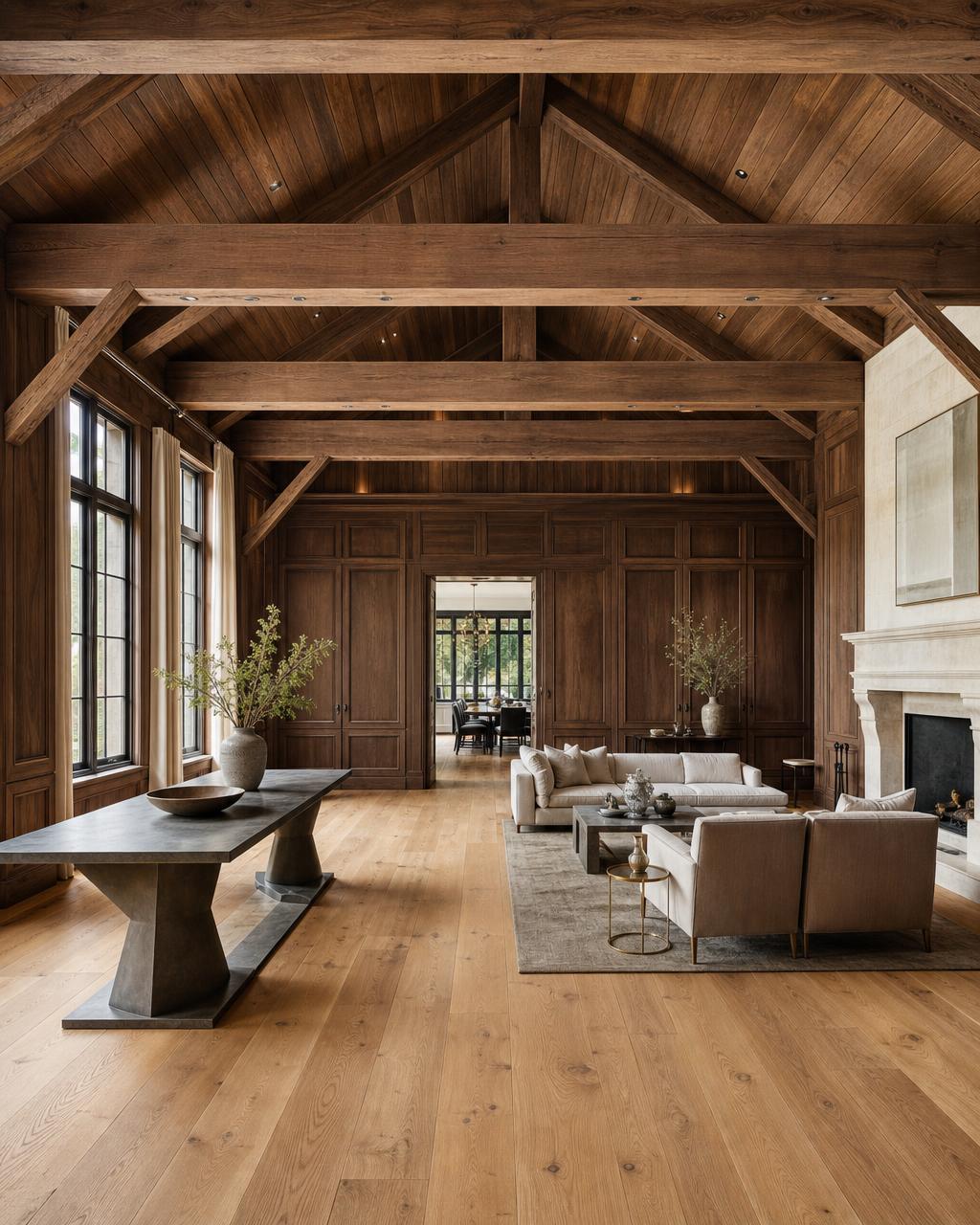
Fine architectural detail in a luxury residence

Lifetime Service

Both halves of the process, understood from the inside.

If you experience a problem five years from now, I want you to call us.

You should never be left wondering who to call, or feeling that the people who built your home have disappeared.

An owner's representative has to understand this entire process in order to protect a client. A builder has to be able to execute it. We do both—which is why our advice in preconstruction, bidding and construction comes from having stood on both sides of the contract.

Here for the life of your home

We serve our clients for the life of their ownership.

If you eventually sell, we would be honored to care for the home and assist its next owners as well. We want every home we build to be supported by people who understand it, value it and take pride in how it performs over time.

Most importantly, we want to build relationships based on honesty, comfort and mutual respect. The best outcome is not simply handing over the keys to a beautiful home. It is reaching the end of the project with a relationship strong enough that we would genuinely enjoy sitting down together for dinner years later.

That is what building well—and serving people well—means to us.

Private Consultation

Begin with a private, no-obligation conversation.